
First Timer’s Guide to Agile Mobile Development: Exploring the different phases of mobile app development
Learn moreSwipe to Check More
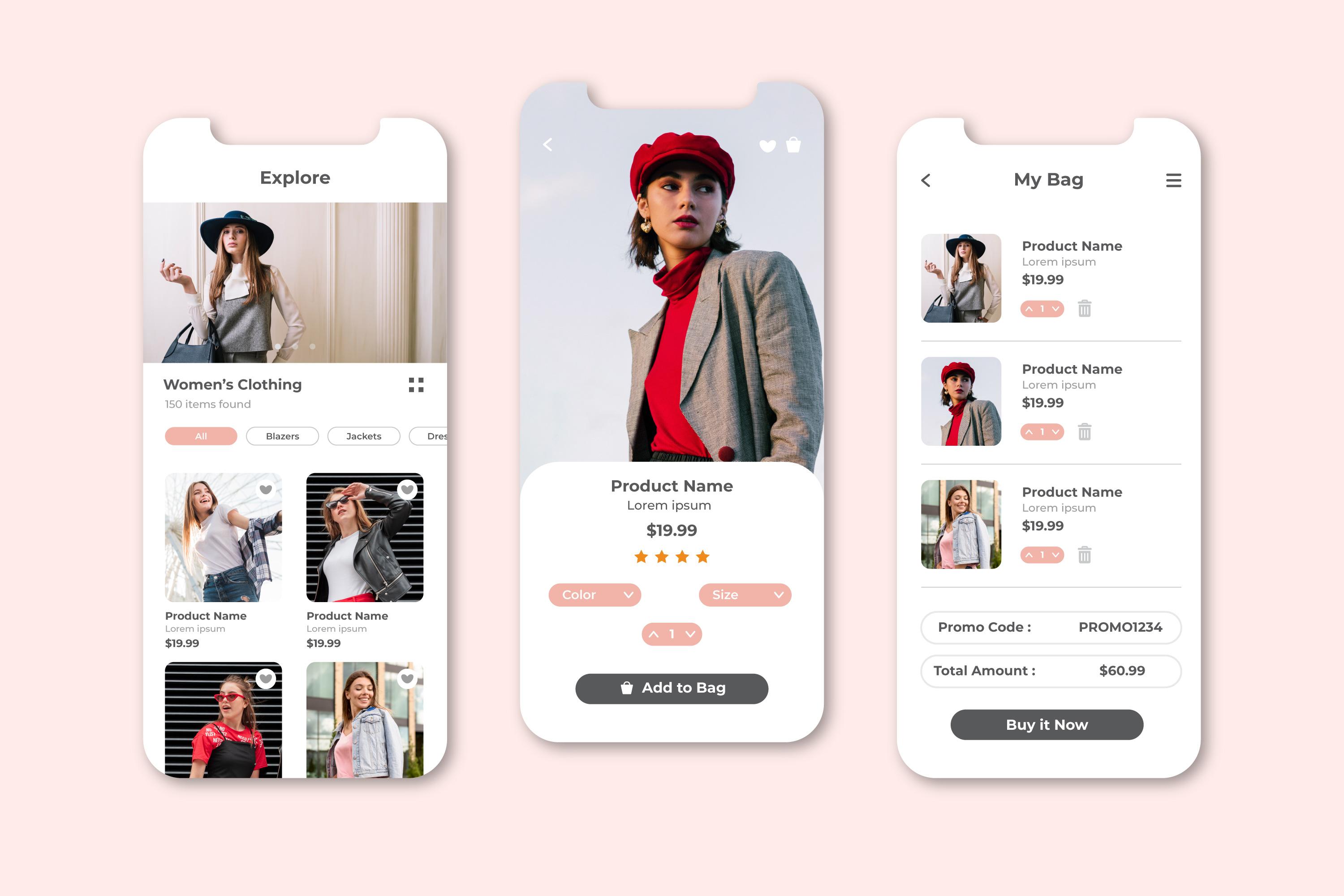

If you are planning to launch a successful online shopping platform, learning from top players like Temu can give you a massive head start. Temu’s rapid rise in the global market is proof that innovative features, seamless user experience, and the right technology stack are key to success. Partnering with a professional E-Commerce App Development Company ensures that your app meets industry standards and stands out in a competitive market. Similarly, working with a leading Mobile App Development company in India can give you access to cost-effective, high-quality development resources.
In this blog, we will explore step by step how to build an app like Temu, covering essential features, technology stack, development process, cost estimation, and monetization strategies. This guide is designed for entrepreneurs, startups, and established businesses looking to dominate the e-commerce space.
Temu is a global e-commerce platform that focuses on offering ultra-low-cost products sourced directly from manufacturers, cutting out the middlemen. Its competitive prices, gamified shopping experience, and aggressive marketing campaigns have helped it gain traction worldwide.
Temu operates on a marketplace model that connects consumers directly to manufacturers, leveraging bulk sourcing and economies of scale. Its revenue comes from commissions, logistics services, and partnerships.
The global e-commerce market is projected to reach trillions in revenue in the coming years. This opens huge opportunities for startups to create niche, specialized, and AI-powered e-commerce apps.
Temu has quickly become a popular e-commerce platform thanks to its competitive pricing, wide product range, and user-friendly interface. Creating a similar app can help you tap into a massive audience of mobile shoppers who expect convenience, personalization, and secure transactions.
Key reasons to build an app like Temu:
Growing demand for mobile commerce.
Opportunity to reach global customers.
Ability to personalize user experience.
High potential for revenue generation.
Scalability and long-term business growth.
Before jumping into development, thorough market research is essential.
Target Audience: Identify your users demographics, interests, and shopping behavior.
Competitor Analysis: Study competitors like Temu, Shein, Amazon, and Flipkart.
Market Trends: Focus on trends like AI-driven recommendations, fast shipping, and sustainability.
B2C (Business-to-Consumer): Sell products directly to customers.
B2B (Business-to-Business): Connect wholesalers and retailers.
C2C (Customer-to-Customer): Allow users to sell to other users.
Marketplace Model: Work as an aggregator for multiple vendors.
To compete with apps like Temu, your e-commerce app must offer robust functionality and a smooth shopping experience.
User Registration & Login: Social login (Google, Facebook, Apple) for quick onboarding.
Advanced Product Search & Filters: Category, price, brand, and rating filters.
Personalized Product Recommendations: AI-driven suggestions based on browsing history.
Shopping Cart & Wishlist: Easy product management before purchase.
Multiple Payment Gateways: UPI, credit card, debit card, wallets, and BNPL (Buy Now, Pay Later).
Real-Time Order Tracking: Transparency for users.
Push Notifications: Alerts for deals, order status, and new arrivals.
Multilingual & Multi-Currency Support: Expand reach to a global audience.
Vendor Management: Add, edit, or remove sellers.
Inventory Management: Real-time updates on stock.
Analytics Dashboard: Track sales, revenue, and user activity.
Order Management: Approve, cancel, or refund orders.
Content Management System (CMS): Manage banners, offers, and product descriptions.
AR/VR Try-On: Virtual product visualization.
AI Chatbots: 24/7 automated support.
Gamification & Rewards: Points and discounts for user engagement.
Social Commerce Integration: Share products on social media.
Voice Search: For hands-free product discovery.
Temu’s design is a big part of its success. It uses:
Minimalist Design: Clean layouts and intuitive navigation.
Color Psychology: Bright colors to encourage buying decisions.
Gamification: Spin-and-win, flash sales, and reward points.
AI Personalization: Dynamic home screens showing tailored deals.
Choosing the right tech stack is crucial for performance, scalability, and user experience.
Mobile App: Flutter, React Native (for cross-platform) or Swift/Kotlin (for native).
Web Interface: React.js, Vue.js, or Angular for smooth user experience.
Programming Language: Node.js, Python (Django/Flask), or Java (Spring Boot).
Database: PostgreSQL, MySQL, or MongoDB.
Cloud Infrastructure: AWS, Google Cloud, or Azure.
Payment Gateways: Stripe, Razorpay, PayPal.
Push Notifications: Firebase Cloud Messaging.
Analytics: Google Analytics, Mixpanel.
AI/ML Tools: TensorFlow, OpenAI API for recommendations.
Data Encryption: SSL, HTTPS.
User Authentication: OAuth 2.0, JWT.
PCI DSS Compliance: For secure payments.
Define the app’s goals, features, and target audience.
Create a business model and revenue strategy.
Wireframing and prototyping.
Focus on simplicity and user engagement.
Build a Minimum Viable Product with core features.
Test usability and gather feedback.
Integrate advanced features like AI recommendations and AR/VR.
Implement robust backend infrastructure.
Functional testing, performance testing, and security testing.
Beta testing with a small group of users.
Launch on App Store and Google Play.
Monitor for bugs and fix them quickly.
Regular updates, feature enhancements, and server monitoring.
Collect user feedback to improve UX.
An app like Temu can have multiple revenue streams:
Commission on Sales: Charge sellers a percentage of every sale.
Subscription Plans: Premium services for sellers or buyers.
In-App Advertising: Promote partner brands.
Freemium Model: Basic app free with paid advanced features.
The cost depends on complexity, tech stack, and team location. Here’s a rough estimate:
| Development Stage | Estimated Cost (USD) |
|---|---|
| Market Research & Planning | $3,000 – $5,000 |
| UI/UX Design | $5,000 – $8,000 |
| MVP Development | $15,000 – $25,000 |
| Full-Scale Development | $25,000 – $50,000 |
| Testing & QA | $5,000 – $10,000 |
| Post-Launch Maintenance (annual) | $10,000 – $20,000 |
Total Estimated Cost: $60,000 – $100,000+ depending on features and complexity.
Hiring a development team in India can significantly reduce costs while maintaining high quality.
| Challenge | Solution |
| High Competition | Focus on unique features & branding. |
| Customer Retention | Use loyalty programs, rewards, and personalized marketing. |
| Security & Privacy | Implement strong encryption and compliance standards. |
| Scalability | Use cloud solutions and microservices architecture. |
AI & ML Personalization: Smarter product recommendations.
Voice Commerce: Shopping through voice assistants.
Social Commerce: Integrating shopping with Instagram, TikTok, etc.
Sustainable Shopping: Eco-friendly product focus.
We are a leading mobile app development company with expertise in:
E-commerce solutions built for scale.
AI/ML integration for personalization.
Secure payment integrations.
End-to-end support from ideation to launch.
Building an app like Temu requires strategic planning, cutting-edge technology, and a user-first approach. From feature selection to choosing the right tech stack and calculating development costs, every step must align with your business goals. Partnering with the right development team will help you create a scalable, secure, and engaging e-commerce platform that can compete with industry leaders.
If you’re ready to launch your next big idea, start by consulting with an experienced development company that understands your vision and can turn it into reality.
Temu is a low-cost global e-commerce platform known for direct-from-manufacturer products.
Depending on features, it may cost anywhere from $20,000 for a basic MVP to $100,000+ for a fully-featured platform.
Typically 4-9 months depending on complexity.
Yes, AI improves personalization, product recommendations, and customer engagement, boosting sales.
Experienced developers save time, reduce cost overruns, and ensure a bug-free, scalable product.