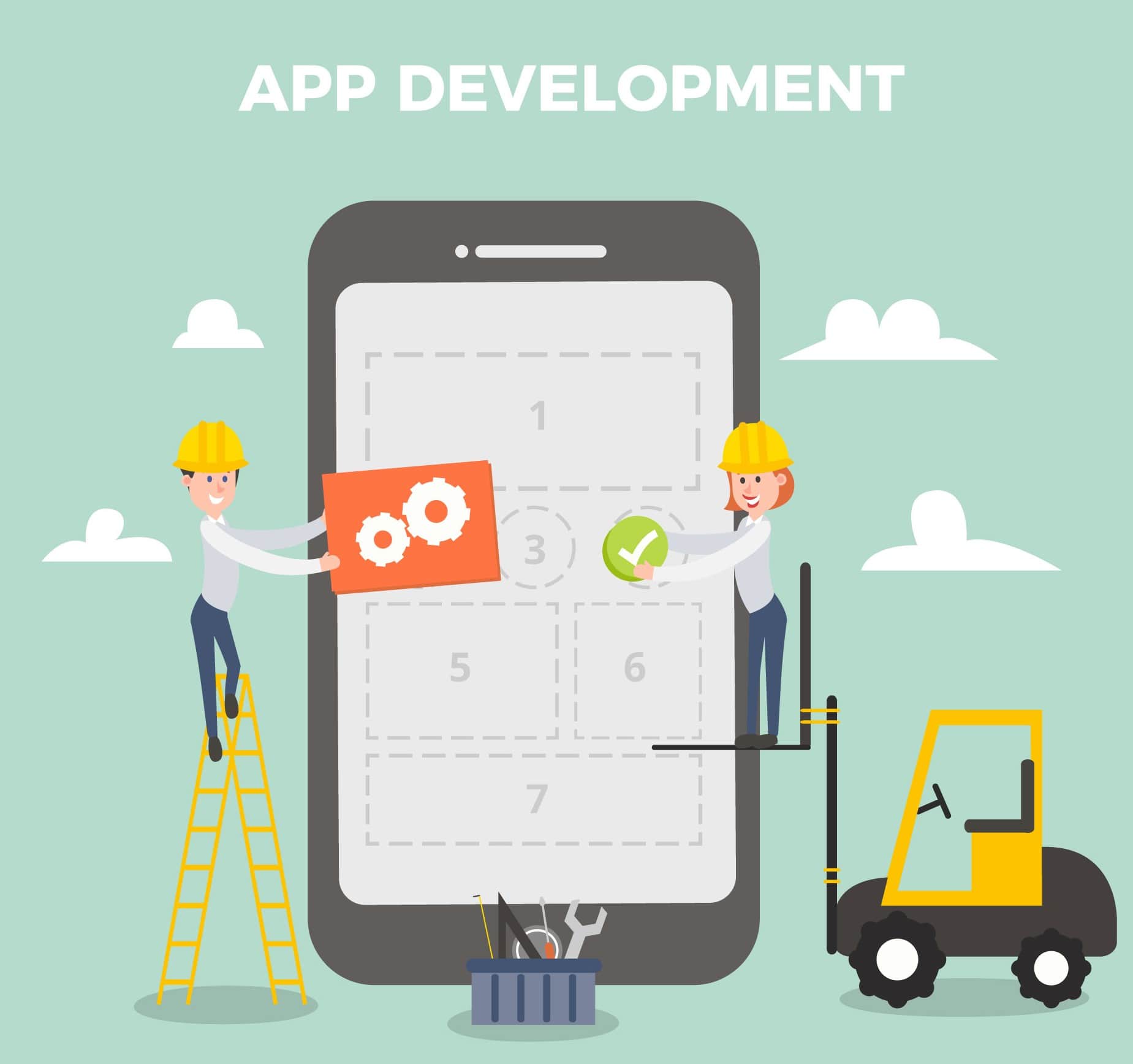
First Timer’s Guide to Agile Mobile Development: Exploring the different phases of mobile app development
Learn moreSwipe to Check More

Cloud ERP is an Enterprise Resource Planning system that is accessible over the Internet. This type of software provides advanced functionality for all the core processes in an organization. The software basically runs on the provider’s cloud computing platform rather than the own data center of the enterprise.
The cloud ERP is typically delivered as a service or a platform in which the user or customer doesn’t own the software rather they take it on a basis of a monthly or annual lease. In the upcoming future, we can see the rapid adoption of cloud-based software which include cloud ERP integration. There are different Cloud ERP systems and a whole process is involved in implementing the same.
In this article, we will be discussing the basics of cloud ERP which includes its process, types, benefits, and cost. Let’s get started:-
When finding a perfect organization, it is important for you to know your needs and goals. One must be clear about what exactly they want to do. If you know your goal, it will become way too easier for you to find the perfect organization for you, which works best for your needs.
2. Plan the Implementation Process
Whenever you are building something for your business, it is important to list out all the necessary resources. It is important to have people dedicated to the implementation process, if you are a big business, you should have a team, and for small businesses, they can have some people from them who are there to oversee the process. As this process will determine everything in the upcoming steps.
3. Data Migration
It is one of the most difficult and challenging tasks to find a proper strategy for data migration. This process depends on the complexity of the business and the amount of data. The more the complex data is, the more it is time-consuming. Ensuring a complete data transfer is very important.
4. Customization of New Cloud ERP solution
This particular step is important to define and set up the work, user roles, and all the permissions. The implementation team has to be surprised as it ensures the proper optimization of the system.
5. Testing before Launch
This is the last step, in which all the testing for any issue is done. This has to be done before the system is launched. It is important to check whether the data flow is accurate and seamless.
The cloud-based ERP system, allows business owners to use a platform that they don’t have to manage. This type of system is managed by the vendor itself. Based on the options, this type of system is divided into two types:
â— Public
â— Private
This a model which allows sharing of services of a computer on the public surface/platform. ERP software in a public cloud is basically software as a service. Even though it is named public, the data of the company is available only to those who have permission.
Having a separate structure for your own business. This gives customers a sense of security as not everyone is to use the public service. This can be used as an upgrade and can be a chance to earn more.
To stand out in business industries or get a better work system, there are different types of Cloud ERP integration that meet your needs. These types are:
â— Pre-Built Integrations
â— Enterprise Service Bus (ESB)
â— Point-to-point Integration
â— Integration Platform as a Sevice (iPaaS)
These are the pre-configured solutions that software vendors have developed. They can easily be installed and require minimal technical experience. These types of pre-built integrations are used in common cases like connecting CRM systems with ERP systems.
This allows businesses to connect different software and applications. It can be used as a centralized hub for data integration. The best part about this is that it can be customized and used for complex integration between multi-software systems.
This is custom integration built between two specific software. These applications are powerful but at the same time, they take much longer to build. For out-of-the-box cases, these can be used and require technical expertise.
This is a way to connect software systems and develop an automated business process. They basically offer prebuilt integrations that make it easy and simple for businesses to create their own custom integrations.
Every business needs to get clear benefits before they opt for any software. When we talk about Cloud ERP, below are some key benefits that we get while choosing Cloud ERP:
Cloud ERP provides access for businesses to keep upgrading themselves. This helps them to get the newest features and functions. These upgrades are what make the business unique and stand out in the market values.
This integration of the Cloud ERP system makes it easier to hold the data. It helps to reduce a lot of manual work that includes data entries, which results in errors. All this results in low labor costs and also the financial reporting is way improved.
This is what you need if you want to improve your ROI and the efficiency of the business. The sooner you start using this, the sooner you will get results. This integration reduces the cost and time of launching or implementation.
This offers the best security systems. The data is protected from cyber threats and ensure industry regulations. To offer this, many times the cloud ERP integration provides users with regular backups of data.
Cost is one of the major components whenever you are building any system/ software.
There are various factors on which the cost can depend and change accordingly. But to give an estimate it can cost around 40 lakhs to 3 crore rupees. In this part of the article, we will discuss some of the major factors that affect the cost:
We have always seen how complexity affects the cost of everything we develop. The same goes for the Cloud ERP integration system. if you are to build a basic system, the cost will be less but to create a complex system that requires expert technique and high-end tools and technology, the cost will definitely increase. Also if the customization that is done, is complex or different from the regular ones, the project cost will take a leap.
As the number increases the cost will increase. If one wants to integrate various systems at a time, they will require a lot of time and money to do so.
It is important and engaging for the users to see ongoing trends and automate a process that improves resource usage, increasing customer service.
If there is rapid growth you can easily just add the data storage, there is no need to invest capital in the system.
With benefits, there come some challenges that one will face:
If there is poor planning and communication, one can get most problems in data integration. As Cloud ERP can store a lot of data which can be too complex to handle, so careful mapping and planning of data becomes a challenge.
Custom development is always more expensive compared to simple systems. At first, while developing software that meets your business needs, the cost will be high but in the long run, the cost is worth and you can get the ROI that interests you.
Every system has different data formats and protocols, which can make it challenging for integration of Cloud ERP. every system has its own technologies and data structures. Problems can be faced in APIs, databases, and user interfaces which images it challenging for effective communication.
Conclusion
An ERP integration strategy is necessary as it helps to increase productivity, seamless procedures, and achieve excellent results in operations. When we talked about advantages, security, and low cost is what we talk about, whereas, data complexity and system compatibility raise issues. Cloud ERP system may be expensive at first but in the long run, it is effective and worth the investment, as it also reduces operational costs.
Before choosing a Cloud ERP integration company, you need to focus on your own needs and goals and choose what is best for you and your business.