First Timer’s Guide to Agile Mobile Development: Exploring the different phases of mobile app development
Learn moreSwipe to Check More

In the ever-advancing world of mobile app development, one technological marvel takes center stage - the Internet of Things (IoT). IoT has fundamentally changed the way we live by allowing seamless connections and control over a multitude of devices and systems. Mobile App Development Companies, which include Android app development companies and iOS app development companies, have wholeheartedly embraced the power of IoT integration to create apps that are not only innovative but also user-friendly. In this blog, we will embark on a journey to uncover the transformative impact of IoT integration in mobile apps, while also navigating through the opportunities and challenges it brings.
IoT integration in mobile apps involves connecting mobile devices to IoT-enabled sensors, devices, or platforms. This connection allows for real-time data exchange, control, and monitoring, expanding the capabilities of mobile applications. Heres how IoT integration can make a difference:
IoT-enabled mobile apps can control and monitor smart home devices such as thermostats, lighting systems, security cameras, and smart locks. Users can remotely manage their homes, improve energy efficiency, and enhance security through their mobile devices.
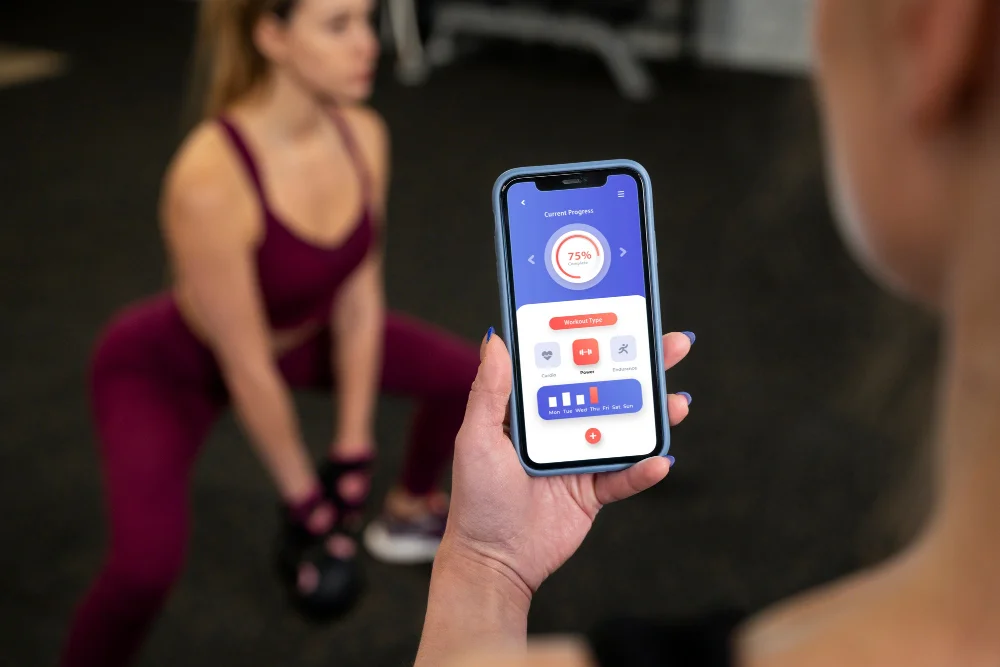
Health and fitness apps can integrate with IoT wearables to track users vital signs, exercise routines, and sleep patterns. This data helps users make informed health decisions and allows healthcare providers to monitor patients remotely.
Agricultural apps can connect to IoT sensors placed in fields to collect data on soil moisture, temperature, and crop health. Farmers can make data-driven decisions to optimize crop yields and resource use.
IoT integration in logistics and supply chain apps enables real-time tracking of goods, temperature-sensitive cargo, and vehicle diagnostics. This improves efficiency, reduces losses, and enhances customer satisfaction.
Manufacturing and industrial apps can control and monitor machinery and processes remotely, reducing downtime, improving productivity, and ensuring worker safety.
IoT-enhanced retail apps can provide personalized shopping experiences by tracking customer preferences, managing inventory, and enabling contactless payments.
IoT integration in mobile apps improves user convenience, providing real-time information and control over connected devices. Users can enjoy a more personalized and efficient experience.
Businesses can streamline operations, reduce costs, and minimize resource waste by monitoring and optimizing processes through IoT-enabled apps.
IoT integration generates a wealth of data that can be analyzed to gain valuable insights, inform decision-making, and identify opportunities for improvement.
By offering IoT-integrated apps, businesses can gain a competitive edge in their respective industries, attracting tech-savvy customers and partners.
IoT integration can promote sustainability by optimizing resource usage, reducing energy consumption, and minimizing waste.
While IoT integration offers numerous benefits, it comes with challenges such as data security, privacy concerns, interoperability issues, and the need for robust backend infrastructure. Developers must address these challenges to ensure the success and safety of IoT-integrated mobile apps.
Conclusion
IoT integration in mobile apps is driving innovation across various industries, transforming the way we interact with the physical world. As IoT technology continues to evolve, the possibilities for creating smarter, more efficient, and more connected mobile applications are limitless. For businesses and developers looking to stay at the forefront of technological advancements, embracing IoT integration is a strategic move that can unlock new opportunities and elevate the user experience to unprecedented levels.